Difference between revisions of "Golem"
From Harath Rules
| (22 intermediate revisions by the same user not shown) | |||
| Line 4: | Line 4: | ||
Golems cannot speak and makes no sound other than the sound of the material they are made of hitting the ground as they walk. Golems can be as small as the creator wants or as large. | Golems cannot speak and makes no sound other than the sound of the material they are made of hitting the ground as they walk. Golems can be as small as the creator wants or as large. | ||
==Golem | ==Golem Creation== | ||
To create a Golem, the caster needs to create the body of the Golem. Golems need to be one integral body. Joints need to be created from some material connecting two pieces. For example, if a Golem's leg only has one piece, then the creature will walk much like the frankenstein monster in old movies. However, the lack of a knee makes walking up stairs all but impossible. The more joints there are the more articulated the creature must be. The quality of the Golem will depend on the crafter's [[Workmanship]]. For every level below "Great Quality", the Golem will suffer a 10% decrease in all qualities. For every level above Great Quality, add 10% to the creatures qualities. | |||
Once the body is created, then the caster conducts several rituals on the Golem: | |||
A | # A spell to animate the creature. This is a Move {material} spell. which is anchored on the creature. | ||
# A Geas which places the compulsion onto the creature. This Geas generally has no penalty spell--only the Geas itself. | |||
The biggest difference between Golems is the material it is made from and the impact this has on both the Move spell and the weight of the creature. Size matters when it comes to Golems. As the creature gets larger its weight increases substantially. Human proportions are roughly as follows: (Hgt x Hgt/5 (width) x Hgt/4)/1000 in cubic meters. | |||
If you are trying to make a Golem on human proportions here are conversions from Height to Cubic Meters) | |||
{| class="wikitable" style="width:700px;" | |||
|- | |||
! Hgt | |||
! Meters<sup>3</sup> | |||
! | |||
! Hgt | |||
! Meters<sup>3</sup> | |||
! | |||
! Hgt | |||
! Meters<sup>3</sup> | |||
|- | |||
| 3 (1 Foot) | |||
| 0.0003 | |||
| | |||
| 6 (2 Foot) | |||
| 0.002 | |||
| | |||
| 9 (3 Foot) | |||
| 0.007 | |||
|- | |||
| 12 (4 Foot) | |||
| 0.2 | |||
| | |||
| 15 (5 Foot) | |||
| 0.3 | |||
| | |||
| 18 (6 Foot) | |||
| 0.3 | |||
|- | |||
| 21 (7 Foot) | |||
| 0.9 | |||
| | |||
| 24 (8 Foot) | |||
| 1.4 | |||
| | |||
| 27 (9 Foot) | |||
| 2 | |||
|} | |||
{| class="wikitable" style="width:700px;" | |||
|- | |||
!colspan=6|Kg/m<sup>3</sup> | |||
|- | |||
!colspan=2|Stone | |||
!colspan=2|Wood | |||
!colspan=2|Metal | |||
|- | |||
|colspan=2| https://raw.githubusercontent.com/sschra01/sschra01.github.io/main/GolemStone.webp?.png | |||
|colspan=2| https://raw.githubusercontent.com/sschra01/sschra01.github.io/main/GolemWood.webp?.png | |||
|colspan=2| https://raw.githubusercontent.com/sschra01/sschra01.github.io/main/GolemIron.webp?.png | |||
|- | |||
| Basalt, solid | |||
| 3011 | |||
| Apple wood | |||
| 700 | |||
| Aluminum | |||
| 2,700 | |||
|- | |||
| Brick, fire clay | |||
| 2403 | |||
| Ash | |||
| 600 | |||
| Brass | |||
| 8580 | |||
|- | |||
| Clay | |||
| 1746 | |||
| Bamboo | |||
| 350 | |||
| Bronze | |||
| 8850 | |||
|- | |||
| Dolomite | |||
| 2899 | |||
| Birch | |||
| 670 | |||
| Cast Iron | |||
| 7300 | |||
|- | |||
| Granite | |||
| 2690 | |||
| Douglas Fir | |||
| 530 | |||
| Chromium | |||
| 6856 | |||
|- | |||
| Gypsum | |||
| 2790 | |||
| Elm | |||
| 600 | |||
| Copper | |||
| 8930 | |||
|- | |||
| Ice | |||
| 919 | |||
| Mahogany | |||
| 800 | |||
| Lead | |||
| 11389 | |||
|- | |||
| Limestone | |||
| 2610 | |||
| Maple | |||
| 755 | |||
| Steel | |||
| 7850 | |||
|- | |||
| Magnesite | |||
| 3011 | |||
| Oak | |||
| 930 | |||
|- | |||
| Manganese | |||
| 7609 | |||
| Pine | |||
| 530 | |||
|- | |||
| Quartz | |||
| 2643 | |||
| Teak | |||
| 720 | |||
|- | |||
| Sandstone | |||
| 2323 | |||
|- | |||
| Stone | |||
| 2515 | |||
|} | |||
==Statistics== | ==Statistics== | ||
{| class="wikitable" style="width:700px;" | {| class="wikitable" style="width:700px;" | ||
|- | |||
! Stat | |||
! Stone | |||
! Wood | |||
! Metal | |||
! Flesh | |||
|- | |- | ||
! S | ! S | ||
| 20 | |||
| 15 | | 15 | ||
| 20 | |||
| 10 | |||
|- | |||
! W | ! W | ||
| 0 | |||
| 0 | |||
| 0 | |||
| 0 | |||
|- | |||
! D | |||
| 2 | |||
| 4 | | 4 | ||
| 3 | |||
| 5 | |||
|- | |||
! Q | |||
| 2 | |||
| 2 | |||
| 2 | |||
| 2 | |||
|- | |||
! C | |||
| 5 | |||
| 5 | |||
| 5 | |||
| 5 | |||
|- | |||
! M | |||
| 1 | |||
| 1 | |||
| 1 | |||
| 1 | |||
|- | |||
! Hgt | ! Hgt | ||
| | |colspan=4|Variable (most between 18-24) | ||
|- | |||
! Wgt<sup>1</sup> | |||
| (stone) 1006 | |||
| (Mahogany) 320 | |||
| (steel) 3140 | |||
| (flesh) 18 | |||
|- | |||
! HP | |||
| 2022 | |||
| 650 | |||
| 6290 | |||
| 46 | |||
|- | |||
! Skill | ! Skill | ||
| 8 | |colspan=4|8 | ||
|- | |- | ||
! AP | ! AP | ||
| | | 35 | ||
| 30 | |||
| 50 | |||
| 0 | |||
|- | |- | ||
! | ! R | ||
| 2 | | 2 | ||
! | | 3 | ||
| | | 3 | ||
| 4 | |||
|- | |||
! Ready | |||
|colspan=4|2 | |||
|- | |||
! Init | ! Init | ||
| | | 6+8 | ||
| 9+8 | |||
| 9+8 | |||
| 9+8 | |||
|- | |- | ||
| | ! Damage | ||
| 12 | |||
| 10 | | 10 | ||
| 13 | |||
| | | 5 | ||
| 5 | |||
|} | |} | ||
<sup>1</sup> | <sup>1</sup> Assumes 20 Hgt | ||
[[Category:Creatures]] | [[Category:Creatures]] | ||
Latest revision as of 01:44, 8 February 2021
Intro
A golem has a body made from some material (Stone, Flesh, Clay, and Iron are the most popular), frequently stylized to suit its creator. For example, it might look like it is wearing armor, with a particular symbol carved on the breastplate, or have designs worked into the stone of its limbs. Its head is often carved to resemble a helmet or the head of some beast. While it may be sculpted to carry a stone shield or stone weapon such as a sword, these aesthetic choices do not affect its combat abilities.
Golems cannot speak and makes no sound other than the sound of the material they are made of hitting the ground as they walk. Golems can be as small as the creator wants or as large.
Golem Creation
To create a Golem, the caster needs to create the body of the Golem. Golems need to be one integral body. Joints need to be created from some material connecting two pieces. For example, if a Golem's leg only has one piece, then the creature will walk much like the frankenstein monster in old movies. However, the lack of a knee makes walking up stairs all but impossible. The more joints there are the more articulated the creature must be. The quality of the Golem will depend on the crafter's Workmanship. For every level below "Great Quality", the Golem will suffer a 10% decrease in all qualities. For every level above Great Quality, add 10% to the creatures qualities.
Once the body is created, then the caster conducts several rituals on the Golem:
- A spell to animate the creature. This is a Move {material} spell. which is anchored on the creature.
- A Geas which places the compulsion onto the creature. This Geas generally has no penalty spell--only the Geas itself.
The biggest difference between Golems is the material it is made from and the impact this has on both the Move spell and the weight of the creature. Size matters when it comes to Golems. As the creature gets larger its weight increases substantially. Human proportions are roughly as follows: (Hgt x Hgt/5 (width) x Hgt/4)/1000 in cubic meters.
If you are trying to make a Golem on human proportions here are conversions from Height to Cubic Meters)
| Hgt | Meters3 | Hgt | Meters3 | Hgt | Meters3 | ||
|---|---|---|---|---|---|---|---|
| 3 (1 Foot) | 0.0003 | 6 (2 Foot) | 0.002 | 9 (3 Foot) | 0.007 | ||
| 12 (4 Foot) | 0.2 | 15 (5 Foot) | 0.3 | 18 (6 Foot) | 0.3 | ||
| 21 (7 Foot) | 0.9 | 24 (8 Foot) | 1.4 | 27 (9 Foot) | 2 |
| Kg/m3 | |||||
|---|---|---|---|---|---|
| Stone | Wood | Metal | |||
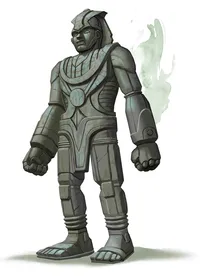
|
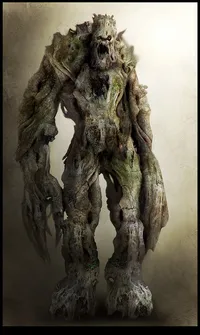
|
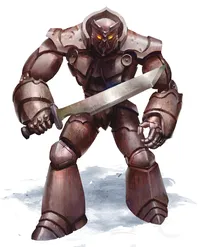
| |||
| Basalt, solid | 3011 | Apple wood | 700 | Aluminum | 2,700 |
| Brick, fire clay | 2403 | Ash | 600 | Brass | 8580 |
| Clay | 1746 | Bamboo | 350 | Bronze | 8850 |
| Dolomite | 2899 | Birch | 670 | Cast Iron | 7300 |
| Granite | 2690 | Douglas Fir | 530 | Chromium | 6856 |
| Gypsum | 2790 | Elm | 600 | Copper | 8930 |
| Ice | 919 | Mahogany | 800 | Lead | 11389 |
| Limestone | 2610 | Maple | 755 | Steel | 7850 |
| Magnesite | 3011 | Oak | 930 | ||
| Manganese | 7609 | Pine | 530 | ||
| Quartz | 2643 | Teak | 720 | ||
| Sandstone | 2323 | ||||
| Stone | 2515 | ||||
Statistics
| Stat | Stone | Wood | Metal | Flesh |
|---|---|---|---|---|
| S | 20 | 15 | 20 | 10 |
| W | 0 | 0 | 0 | 0 |
| D | 2 | 4 | 3 | 5 |
| Q | 2 | 2 | 2 | 2 |
| C | 5 | 5 | 5 | 5 |
| M | 1 | 1 | 1 | 1 |
| Hgt | Variable (most between 18-24) | |||
| Wgt1 | (stone) 1006 | (Mahogany) 320 | (steel) 3140 | (flesh) 18 |
| HP | 2022 | 650 | 6290 | 46 |
| Skill | 8 | |||
| AP | 35 | 30 | 50 | 0 |
| R | 2 | 3 | 3 | 4 |
| Ready | 2 | |||
| Init | 6+8 | 9+8 | 9+8 | 9+8 |
| Damage | 12 | 10 | 13 | 5 |
1 Assumes 20 Hgt